The Royal Roots Top 10
Castle of Breda
For centuries, most people have known Breda Castle primarily from the outside. The Castle was once the ancestral seat of the (Orange-)Nassau family. Henry III of Nassau and his wife Mencía de Mendoza transformed it into a Renaissance palace. A first for its time.
For almost two hundred years, the Castle has been home to the Royal Military Academy. So it is still a little bit ‘royal’.
Valkenberg Park
Valkenberg Park used to be a wooded area with tall trees. There were large cages containing falcons for hunting. Later, the Nassaus created beautiful gardens there. Today, Valkenberg is a popular meeting place for residents and visitors. The artwork ‘Tree of Freedom’ by Jennifer Tee is located on the lawn near Kasteelplein.
The Prince’s Chapel in the Grote Kerk Breda
The Princes’ Chapel in the Grote Kerk Breda is one of the finest monuments in Brabant. Henry III of Nassau had it built as a family chapel. The tomb monument of Engelbrecht II and his wife Cimburga of Baden was famous far beyond Breda. Around the turn of the century, the decorated vaults were painstakingly restored.


The eye tiles
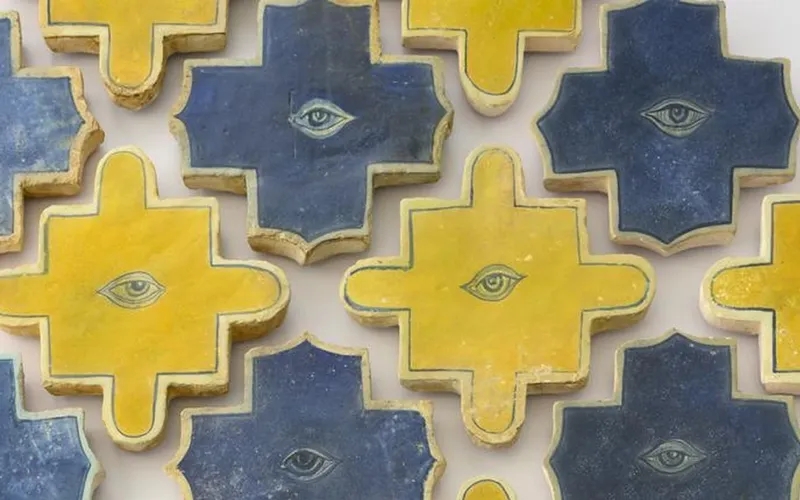
The old eye tiles from the Castle can be viewed at Stedelijk Museum Breda. They are as enigmatic as they are unique. Hendrik III of Nassau and his wife Mencía de Mendoza had them made by a workshop in Antwerp in the 16th century. Blue and yellow are the Nassau colours, while the Moorish design relates to Mencía’s Spanish origins. But the meaning of the eyes remains a mystery.
The Beguinage
Through the gate of the Beguinage, you step back centuries in time. The Beguinage originally stood next to the Castle, but Henry III had it moved because the Castle was being expanded. At the back stands a bronze statue of Johanna of Polanen, the wife of the first Nassau of Breda, Engelbrecht I of Nassau. She had the Wendelinus Chapel built, now the Walloon Church standing next to the Beguinage. Inside, a medieval door is preserved from the time when the Wendelinus Chapel still belonged to the beguines. The door is decorated with a small statue of Saint Catherine.
Hotel Nassau Breda
Hotel Nassau Breda is housed in three historic courtyard houses. Noble families with connections to the Nassaus once lived there. The octagonal turret of one of these houses, Huis Assendelft, is still standing. When the Franciscan Sisters took over the courtyard houses, they turned them into a convent with an atmospheric chapel. That too is now part of Hotel Nassau Breda.


Mastbos and Liesbos
These woods near Breda belonged to the Nassaus. Henry III had the Mastbos planted. The trunks of the conifers were well suited for ship masts. At the Liesbos, you can see two colourful ‘Blind Walls’. Both murals feature herons, as they were once hunted there and served as a delicacy.
Bouvigne Estate
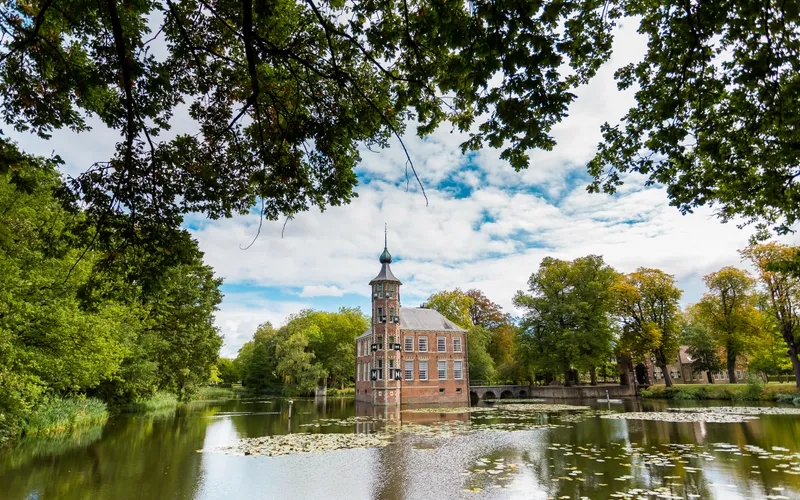
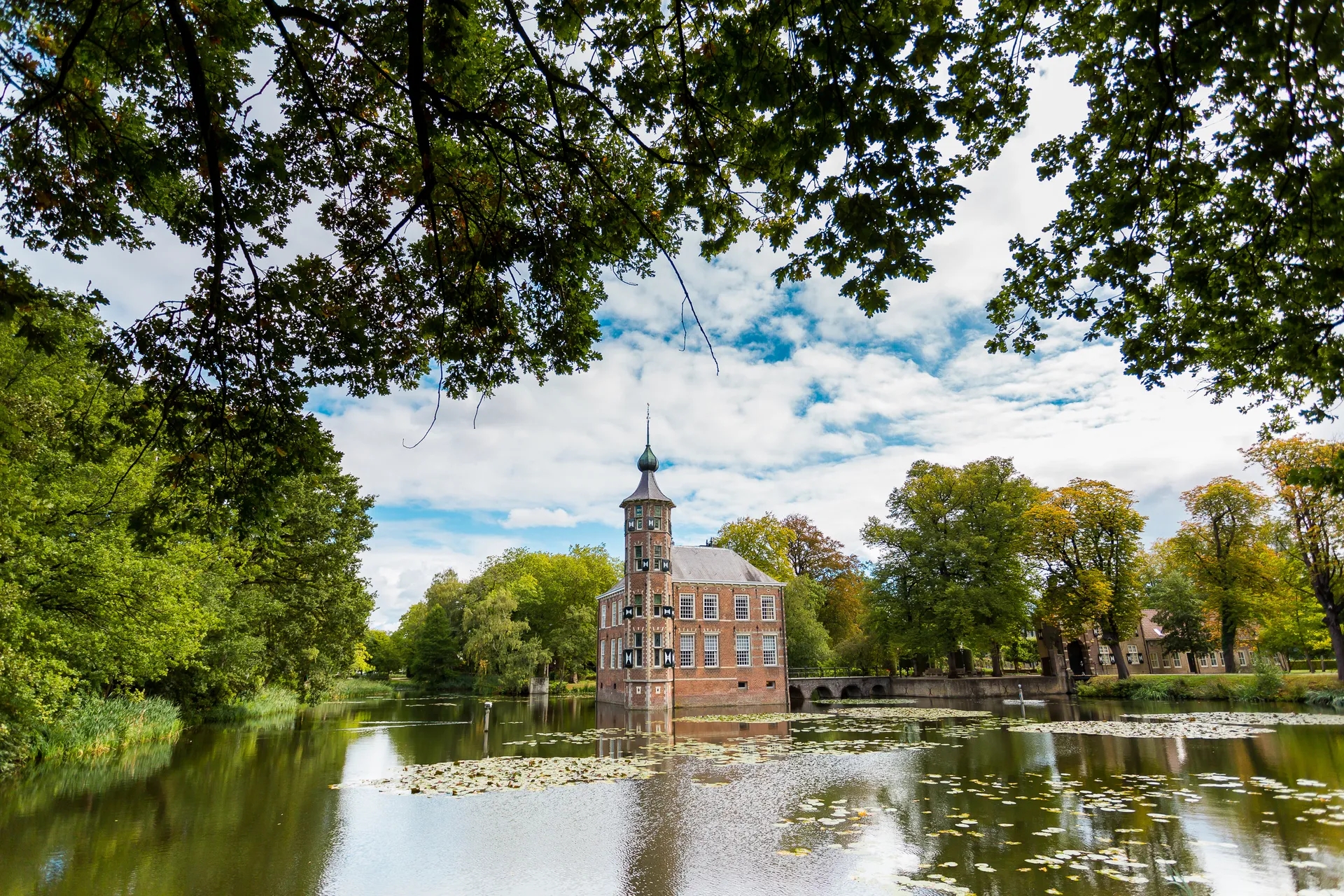
Bouvigne Castle was the headquarters of Frederick Henry when he conquered Breda. You can visit the estate surrounding the castle, with its various gardens, a special orchard and wooden sculptures by the world-famous artist Stephan Balkenhol.
The Playhouse
At the end of Speelhuislaan once stood a small castle for hunting parties. This ‘Speelhuis’ was built by Prince Maurice, a son of William the Silent. In 2023, CrossArts organised a cultural festival at the same location featuring a modern version of the Speelhuis.
Rijksmuseum Amsterdam
Between Kasteelplein and Valkenberg Park stood the Nassaus’ stables. William of Orange kept around fifty horses there. A decorated façade from the Nassau stables ended up in the Rijksmuseum in Amsterdam. During the most recent renovation, the ‘Breda wall’ was restored to its former glory.