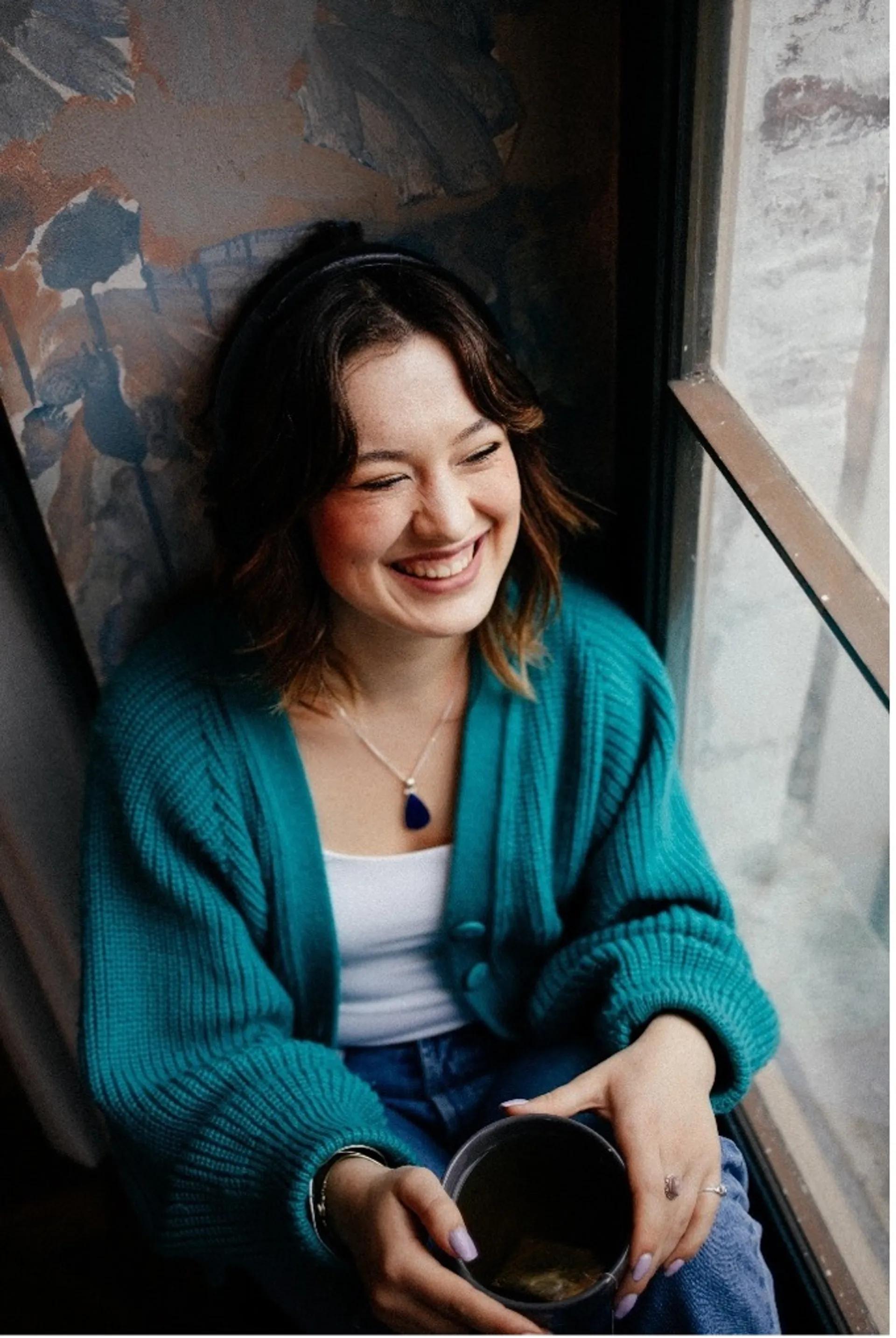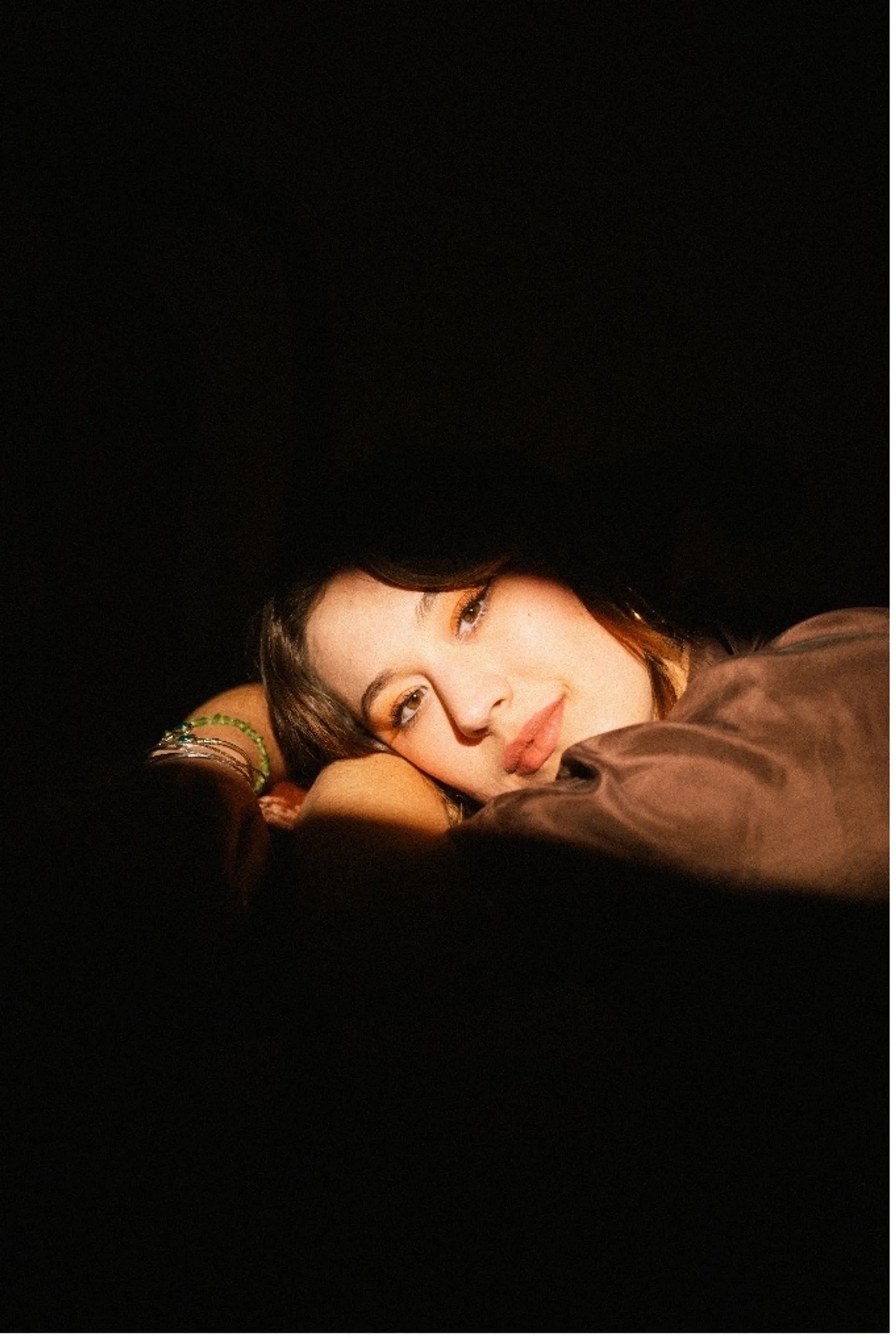
Word Alchemist Jasja Renne
With theatre and dance, Jasja ended her teenage years, but writing and poetry remained. What she created, she mostly kept to herself. Stories, snippets of poems, beautiful words and sentences: they were tucked away in folders, notebooks, and loose papers. Until, during the COVID-19 pandemic – a necessary and ultimately welcome pause – she decided to organise her writings. “If I wanted to do something with it, this was the moment,” I thought. During an audition for a theatre festival in Utrecht, someone said: if you write AND perform, why not try spoken word? That clicked everything into place. I started a talent programme* and realised: this is what I want.”
* Jasja was part of Poetry Circle 013 and completed the two-year urban programme Emoves Masters
I have learned to trust that the right words will come to me naturally
For Jasja, inspiration is everywhere. "As long as there is movement around me. For example, if I need to go somewhere, I often take the bus. It’s lovely just to sit, look outside, and observe. Those are moments when everything starts flowing. I also enjoy talking to people I don't know. Listening to new stories and perspectives, I get a lot from that."
"At the same time, you can't force poetry or what feels right. It comes and it goes. That’s what I find so beautiful about it. And I’ve learned to trust that the right words will appear naturally. I noticed that myself when creating my performance. The ending was hovering somewhere, but it simply hadn’t arrived yet. Suddenly, it clicks, just when I’m on my bike. Then I start typing, writing, recording voice memos... Because when it’s there, it needs to come out immediately."
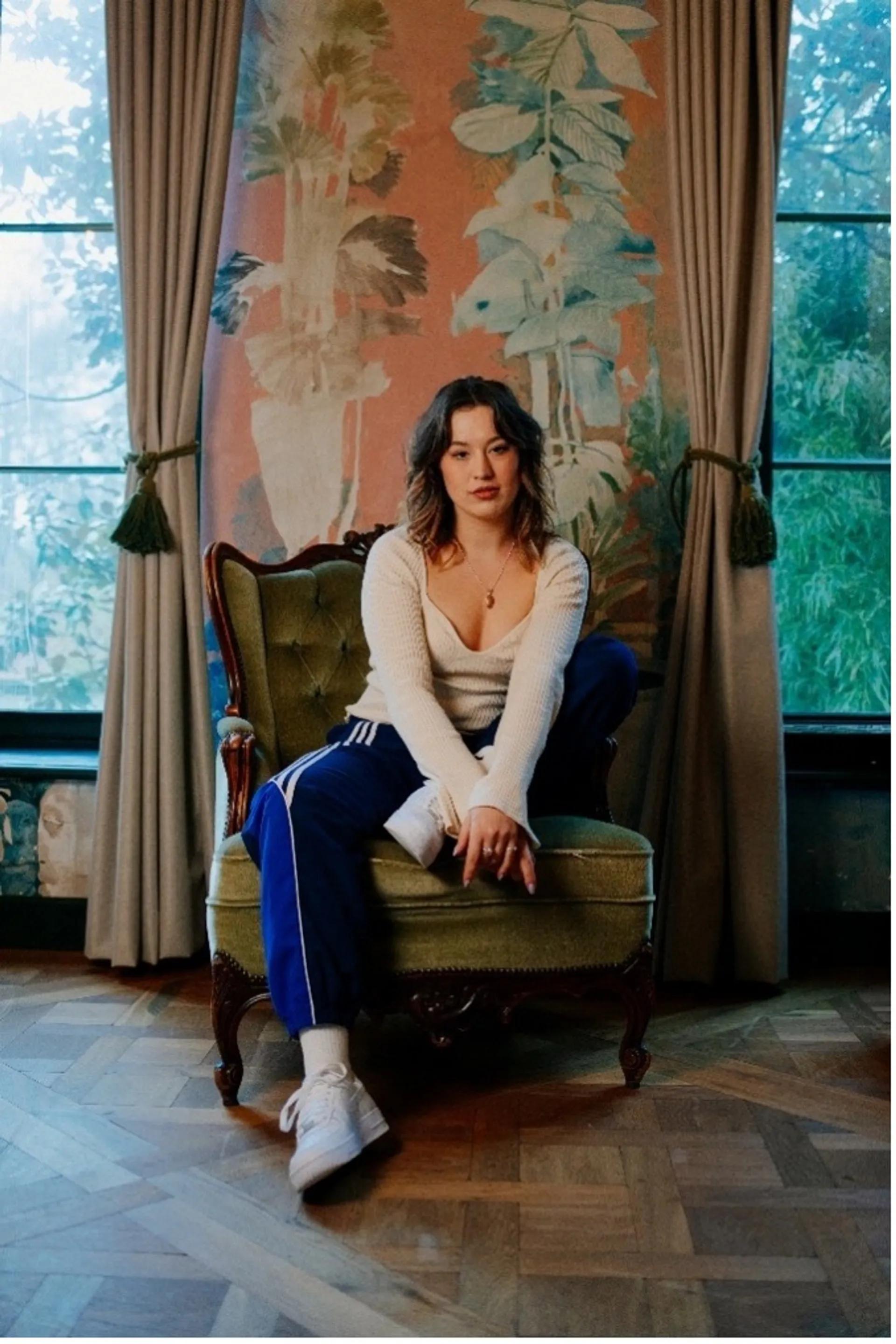
She calls herself a word alchemist. Someone who searches for the right words to transform one feeling or perspective into another. Always with a purpose, because ‘I want my words to mean something’. “It’s the most beautiful when you see that happen in real time. When you notice that what you convey also immediately creates an effect – and there is a reaction. Not in applause, but in energy. That someone comes up to me afterwards and says: ‘I felt this’. My performance Perhaps We (n) Come Somewhere is about the friction between internal voices and expectations. Those of yourself, society, and others. Who do you listen to and why? I hope the audience also reflects on that. That it sparks something, like how does this actually sit with me?”
“I am curious about what connects us and what distances us further from each other. What the differences between you and me are and whether I can learn to understand them. What we experience as a collective, what our universal shared aspects are. Through all sorts of personal and standalone experiences, we all ultimately go through the same emotions. And behind them, there are again desires that we all have as humans. Feeling seen, safe, and secure, with nice people around you. That’s where the connection lies – and that’s what I’d love to explore.”
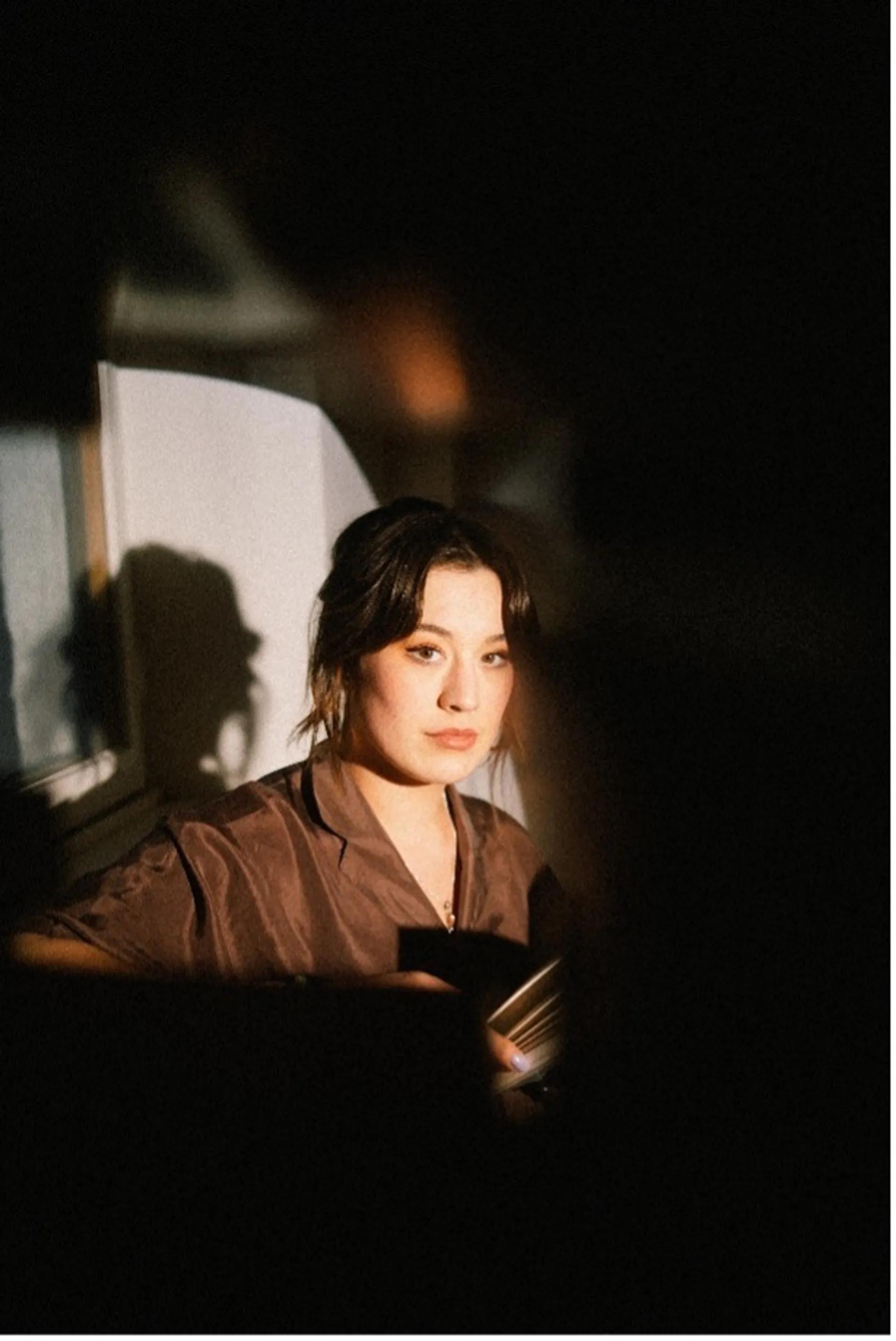
In the preparatory months leading up to Misschien komen we (n)ergens zat Jasja ‘in residence’ at Podium Bloos, she received funding from Emoves and Vrienden Podiumkunsten and was guided by theatre makers Marleen Hendrickx and Jorg van den Kieboom. “Marleen checked in with me every two weeks to see what was already in progress. How does it fit, what are we missing, what do you still want to work on, does the message add up? Jorg helped me to transform spoken word into theatre texts. I learned the difference between creating a story and projecting a story. So, not saying ‘I’m now going outside’, but standing up and walking off the stage. That is fundamentally different.”
“I am so grateful for the warm reception and for the trust I receive. That people see something in me, believe in me. Just try it, they say. We’ll help you – and walk a bit with you. I consider that anything but self-evident.”
I am proud of my growth capacity. Of how I can be truly scared and still do it anyway.
Looking ahead, Jasja mainly hopes that she manages to further establish herself as a creator. “That people know what I do, what my work is about, and that they are able to find me for it too. So that I can be involved in it in all kinds of ways.” At least, her work ethic won’t be the problem. “I’m proud of my capacity for growth. Of how I can genuinely be scared and still just do it. Not without effort, quite the contrary. It takes energy, really. But in the end, I will face that discomfort because that is where your growth is.”